

Read Like a Romance Writer
Announcing Our Scene Analysis Series

Inciting Incident. Turning Point. Crisis. These are words almost every author and English major knows.
I sure thought I did. Until I had to find them in a scene. That’s when things got…muddy.
For the last month, I’ve been in Story Grid’s mentorship program, writing scenes and analyzing others. That means we return to these core scene elements. A lot. And I’ll be honest, I thought scene analysis was going to be simple.
It hasn’t been.
My 16-year-old self would be aghast at the pen marks in my perfectly good romance novels. (I’m sure I wasn’t the only pubescent teen who made it into her mother’s Harlequin romance collection). She’d be even more aghast to see how messy it all looks.
No cute hamster doodles beside perfect handwriting here! My books are all sloppy scrawl, scratch marks, and edu-ma-cated guesses.
Regardless, I’m having fun. And with each analysis, I learn something new about craft. What more can a writer-reader-nerd hope for?
Scene Elements
If you’re unfamiliar with elements that make up a scene, let me recap. (Disclaimer: all definitions are based on Story Grid methodology). All scenes typically have the following components:
Status Quo - the protagonist’s life before the inciting incident shakes things up.
Inciting Incident - the moment the problem (or opportunity) arises.
Object of Desire - the protagonist’s goal, arising from the inciting incident.
Progressive Complications - the events that make it harder for the protagonist to get their object of desire, raising the tension.
Turning Point - the final refusal by the protagonist to give the antagonist what they want.
Crisis - the event in which the antagonist forces the protagonist to make a difficult decision (this could be between two equally good choices, or two equally bad ones).
Climax - the protagonist acts on the decision they made during the crisis.
Resolution - the outcome of the protagonist’s actions and how life has changed as a result.
Identifying these elements within a scene are a lot easier said than done—but not without its benefits.
With some—or maybe a lot—of practice, you start to recognize patterns in structure. These patterns tell you everything you need to know about what goes into a scene, and how to replicate the structure in your own writing.
And what better subjects of research than the books we love?
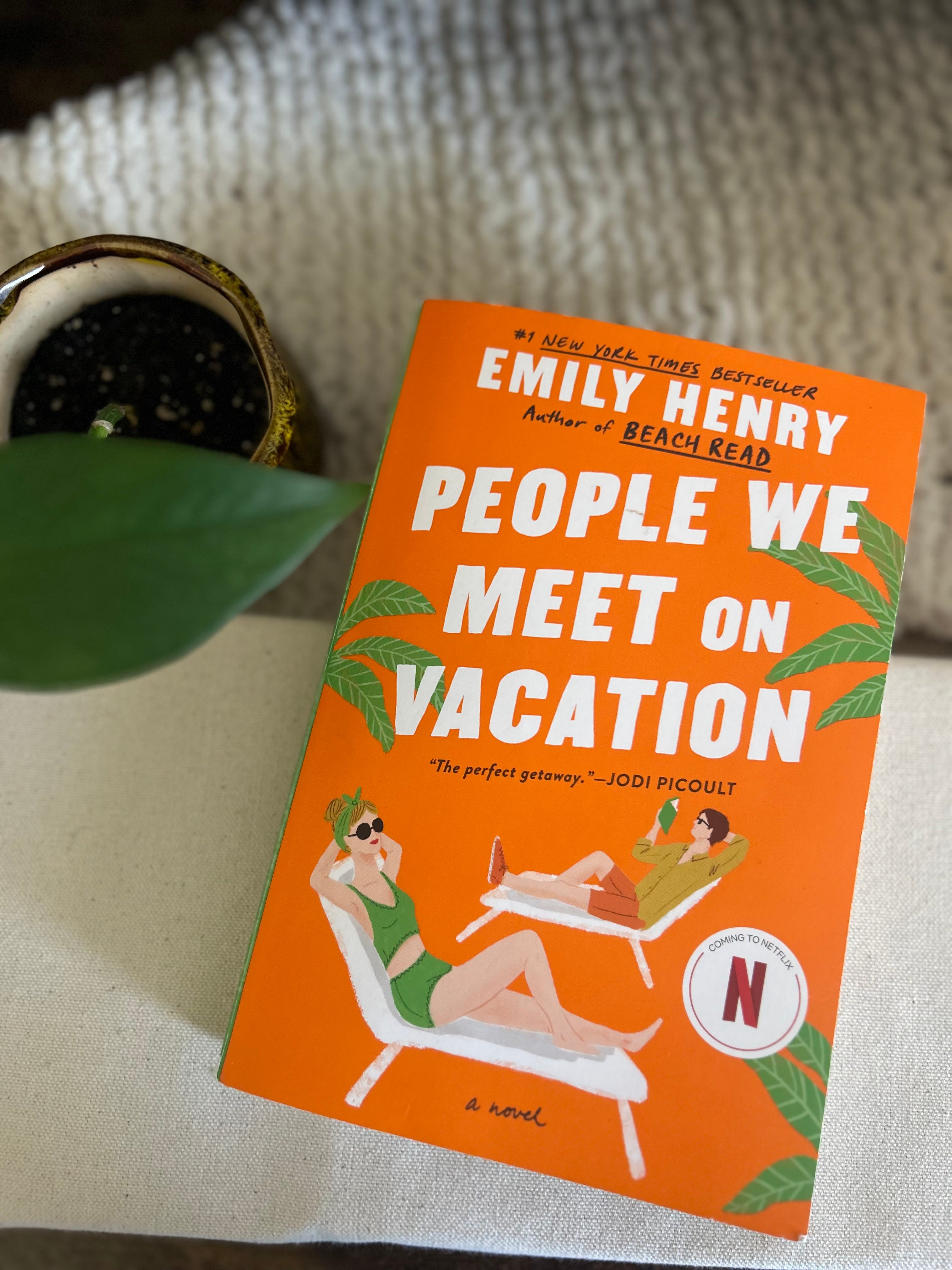
Which is why I’ll be posting my scene analyses of Emily Henry’s People We Meet on Vacation in all its messy glory. I hope you’ll follow along—and I hope you’ll do your own analysis of the scenes.
The prologue + the first three chapters will be available for all subscribers.
Join the Community
If you’re searching for a new kind of book club—if you’re a writer wanting to read like one. Join the fun.
When you upgrade to a paid subscription for as little as your daily Starbucks coffee a month, you’ll unlock exclusive access to all my story analyses and a community of romance writer-readers to nerd out with.
And if you’re excited for our first scene analysis, mark your calendar for Tuesday, February 17th.
Bring your highlighters, pens, and sticky notes. Let’s tear into the Prologue together.
YAY!!! The scene analysis series we all NEED! I cannot wait to learn from Rose and break down the art of romance writing.