

What I Would Have Told My Younger Self About Writing

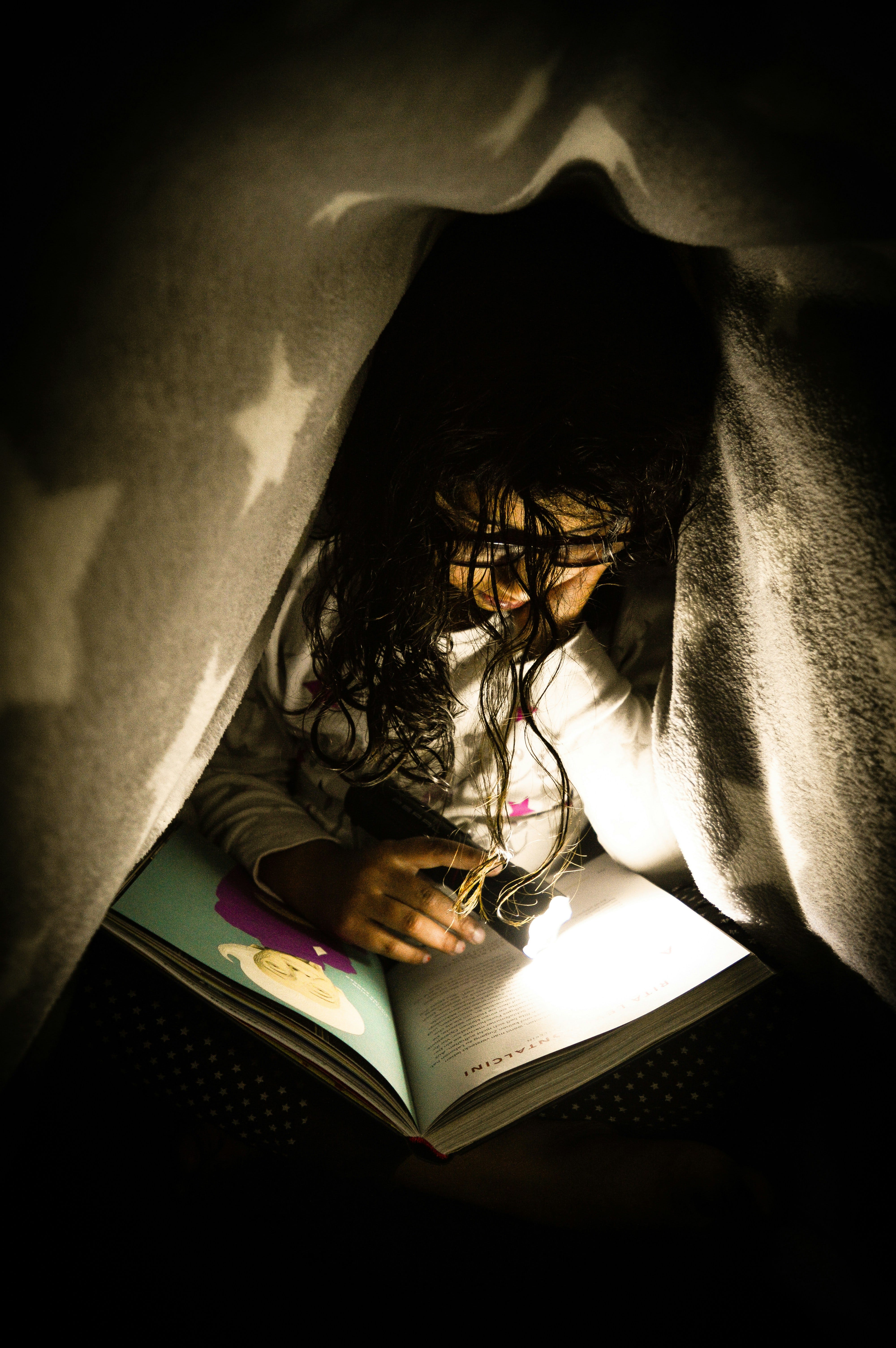
When I was a kid, I hid under the sheets with my Harry Potter book, reading by flashlight until the early hours of the morning. I read to escape. I read because the worlds inside books were more interesting than the real one. And I wrote for the same reason.
There was always a happy ending. Predictable adventure and chaos, all wrapped up into one.
I wanted to be an author from a young age, but no one ever told me that to become one, I’d need to develop my craft.
Sure, I wrote plenty, just like any other kid obsessed with stories. I posted on fanfiction sites and every review felt like a piece of validation to continue. So I did.
But I wrote the same way every time. I didn’t reflect on my writing or try to improve because, according to the reviews of the few hundred mostly teenage fans I’d accumulated, my writing was perfect. At least, that’s how I translated them.
In school, they focused on a different kind of writing—poetry, plays, literary fiction—none of which interested me.
In high school, my creative writing teacher assigned us a play. The drama club would choose one to perform.
Mine won. From what I heard, the actors had so much trouble keeping it together that they laughed through filming. I never saw it—I moved before the performance—but the story stuck.
So did something else.
My creative writing teacher hated it. At least, that’s how I remember it. He had a look on his face when I turned it in—one that didn’t match everyone else’s reaction. I was told he was the only one who didn’t laugh.
There were other moments like that. A poetry contest I won, followed by a teacher who said someone else should have. Teachers who overlooked my writing entirely.
That’s when the imposter syndrome started. I started second-guessing my story, the plot, my characters, the sentences.
Writing became confusing. What I thought I knew about my ability began to unravel. No one told me writing was a skill. If anything, I absorbed the opposite message: you’re either talented or you’re not. And if you’re not, there’s nothing you can do about it.
College creative writing was the last straw.
What no one tells you about critique groups is how much power they hold. College students are often still learning how to write, let alone how to critique. They don’t realize how much weight their red pens carry.
When I entered college, I was sure I would be a writer. I graduated a teacher—and didn’t write seriously again for nearly a decade.
What I would have told myself back then is this:
Writing is not a talent that you’re born with. It’s a skill that you cultivate. It starts with a seed of interest that you build into a passion the more you explore it. It deepens through deliberate practice—reflection, revision, feedback.
It doesn’t happen overnight but it does. So slowly that sometimes you’re unaware that you’re improving. But you keep going anyway because of the love of the craft.
And if you stick to it, maybe not tomorrow or next year, but one day—you’ll write the kind of book you’re proud of.